Chapter 1
The Last Row
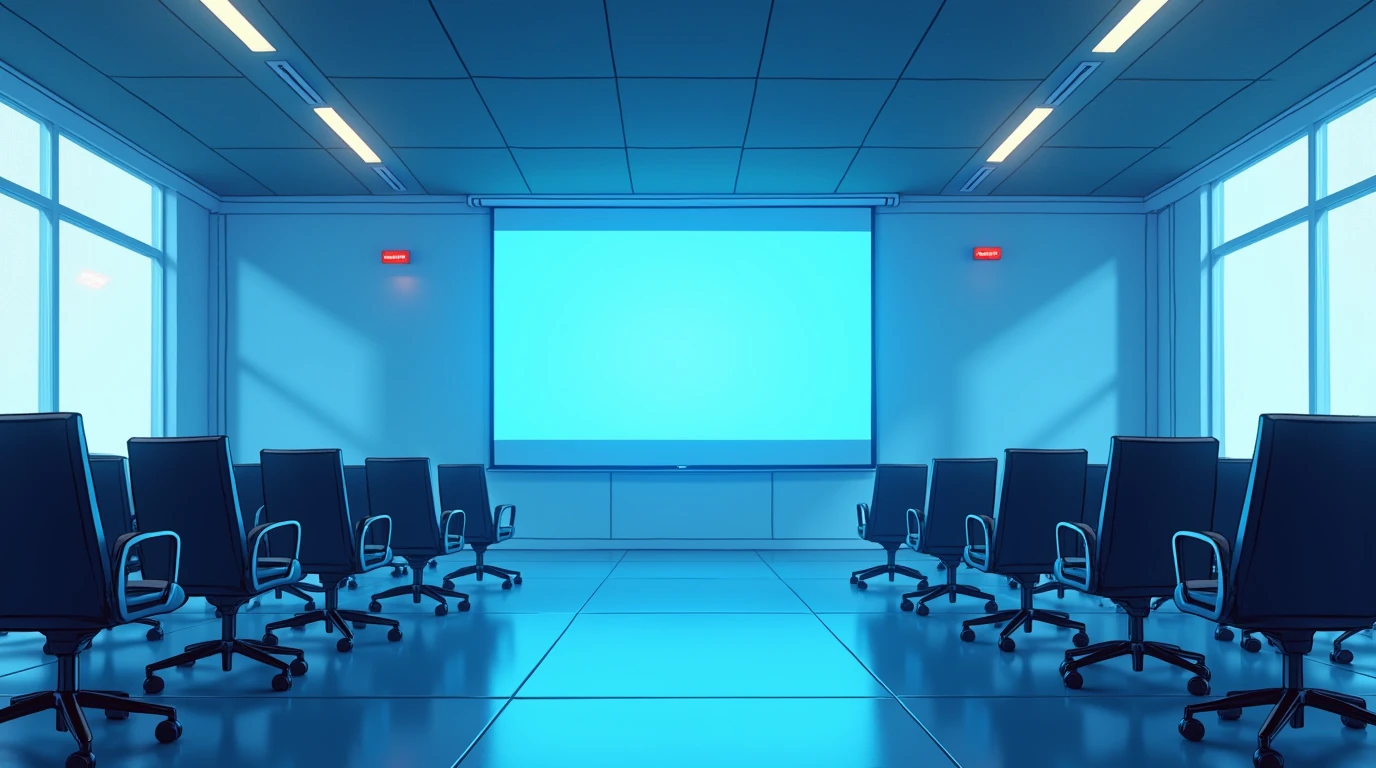
The moment the CEO started reading names, I was calculating how many minutes had passed between that shutdown notice and this.
One hour and three minutes.
The system sent it automatically. Pop-up across the entire site. My own phone lit up with it too. “This site will cease operations at 4 PM today.” Red exclamation point, traditional characters. My blood pressure shot up reading it. The thing is, the HR termination notice still hadn’t arrived—and that Zhang Yutong girl was standing in line outside the conference room, phone pressed to her chest, waiting for an important call the way people do.
Turns out the call came before the phone rang. She got called in first.
I was sitting in the last row. Not to keep a low profile. It was because all the chair back latches in this row were broken—lean back and they’d creak. Anyone sitting up front knew to avoid these, but I was the type who’d been pulling late nights to the end and couldn’t be bothered to find another seat. Laptop balanced on my knees, screen long since gone dark. I couldn’t even summon the energy to press my fingerprint to unlock it.
On the projection screen, the PPT read “Organizational Optimization Communication Meeting.” The CEO was up front. Over a hundred people sat in the rows behind me. So quiet you could hear the air conditioner dripping.
First name was Annie from sales. Word was she was pregnant. Second was Old Zhang from backend. Forty-five, two years with the company. My neighbor A-Wei was scrolling his phone, brightness turned all the way down, face pressed close like he was searching for something. His screen was black too.
Third name.
“Lin Yuan.”
I heard my own name come out of the CEO’s mouth. Felt like they were calling out the next pickup number.
I stood up. Picked up the laptop from my knees. Asset tag was on the top left corner—I knew it, put it there three years ago, corners already peeling. My old work laptop, the one I used to run data sync on, the one that held the backup files for Ah Zhi and the others. When I handed it to IT, he didn’t even notice. Or noticed and couldn’t be bothered.
I walked past three rows. A-Wei looked up at me, then back down to keep scrolling. His screen was still black.
The people lined up outside the conference room—I couldn’t name any of them. Just remember one woman wearing a surgical mask, eyes fixed on the floor. The other guy in a wrinkled suit jacket, like he’d been pulled directly from another event.
I passed by Xu Chengze on the way. His eyes followed me for a moment. He was the CTO, my direct supervisor, and the only person in the past three years who knew about the twelve phones running in my apartment. During the meeting he sat in the front row, back straight as a nail.
Nails don’t talk to nails.
I got to the front, handed over the laptop, surrendered my access card. HR packaged everything in a plastic bag, handling it like they were cataloging museum artifacts. The whole thing was recorded—camera pointed at the side of the projection screen, red light on.
I went back to my seat. The laptop was gone. My hands felt empty.
That laptop with the peeling asset tag. The one that held the backup data from one of my twelve phones—I was saving it in case I needed to file a complaint. Now I’ve lost even the backup device. What’s there to appeal?
In the moment the laptop left my hands, something occurred to me.
Ah Zhi.
Ah Zhi was one of my core sock puppets. Thirty-five, from Taipei, loved camping and coffee. I’d set him up with over two hundred travel posts. After three years, he’d accumulated over twenty thousand likes. He had his own follower base on the platform. They were all accounts I ran, sure, but occasionally a real person would leave a comment—something like “Can you take me camping next time?”
Ah Zhi didn’t know he was Ah Zhi. He thought he was just a middle-aged guy who liked coffee, who’d stumbled onto a niche platform, posted travel logs, and been discovered by kindred spirits.
Today at 4 PM, Ah Zhi would disappear. Along with his notes on favorite coffee shops, his camping route recommendations, those comments that looked like genuine human interaction.
Nobody would remember him.
The way nobody would remember me.
The CEO was still reading names. I stopped listening after mine. The projection screen flipped to a new slide. “Follow-Up Instructions” in big letters, small print below that I couldn’t be bothered to read.
When the meeting let out, people filtered out slowly. Some on phone calls, some texting. My neighbor A-Wei finally put his phone down. When he stood, I caught a glimpse of his screen—black. My heart was black too. No clue what he’d been working on so hard.
HR’s Zhang Yutong was waiting by the door. Holding an A4-sized document folder, nylon cover, zippered style. She was in a gray blazer today, hair pinned up, posture ready to produce an official seal at any moment. Her bag was older than any laptop, but her stamps were always the newest model.
“Lin Yuan, this way.”
Her voice was flat. Reporting the weather.
I followed her into the conference room. The door closed. The sound of people outside faded.
She set the folder on the table, unzipped it, pulled out a stack of papers.
“This is your separation notice. Please review it.”
I took it. Average wage, years of service in months, N+1—all looked standard. Until I saw the effective date at the very bottom.
Three days after the company’s scheduled site shutdown.
I stared at that line for three seconds. Zhang Yutong waited beside me. No rush. No explanation.
Three days.
After the site goes dark, these papers are worthless. Where does compensation come from? If there’s a liquidation queue, what position do I land in? Where does she even apply that stamp from her bag?
I looked up at her. Her eyes finally met mine for a moment, then drifted away, landing on the stack of papers on the table.
“If there are no questions, please sign here.”
Her finger pointed to the last line on the last page. Nails trimmed short, no polish. When she slipped the pen back into her pocket, the tip faced outward.
I picked up the pen.